Introduction
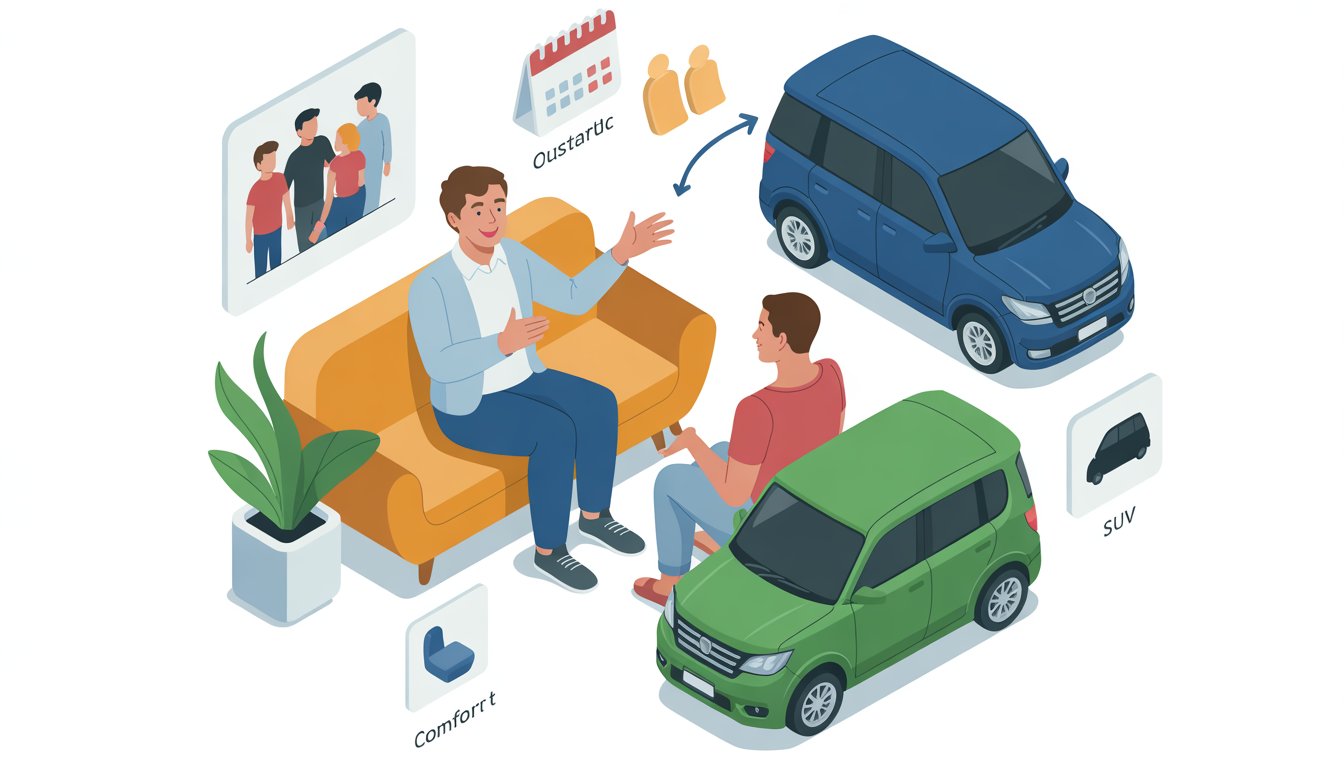
When friends ask me whether they should buy an MPV or an SUV, I always start with how they actually live: how many people they move daily, how often they travel outstation, and how much they value comfort versus style. In Malaysia, both body types are everywhere—from school runs in Petaling Jaya to balik kampung trips up the PLUS Highway—and both can serve a family well. But their strengths are different. In this deep-dive 2025 guide, I’ll explain the practical differences so you can pick confidently and avoid paying for features you won’t use.
I’ll cover what each term means, where MPVs and SUVs overlap, and where they diverge in seating, fuel use, off-road ability, comfort, visibility, storage, tech, design, and pricing. I’ll also share how I weigh reliability, maintenance, and resale value in our local context. If you just want a straight comparison, here’s a quick reference to mpv vs suv—but I recommend reading through to see which one fits your lifestyle and budget.
What Is an MPV?
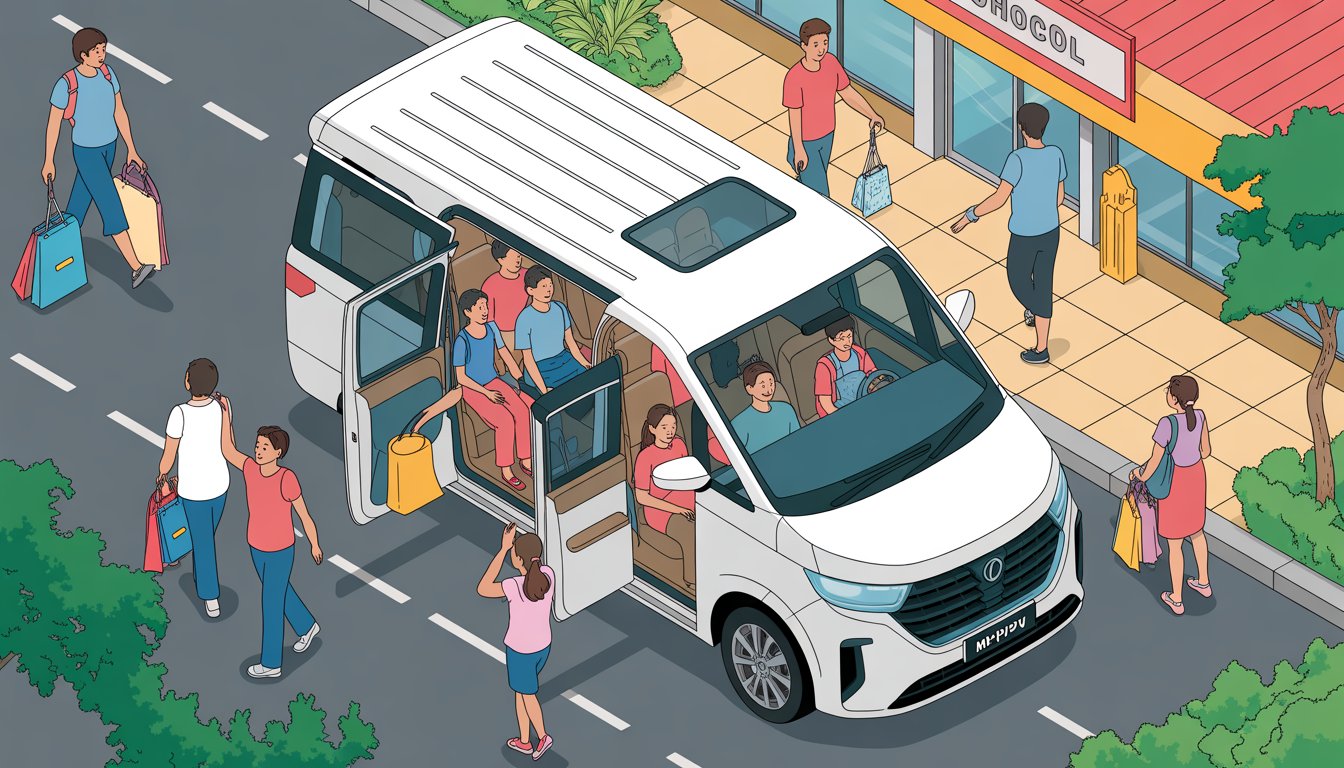
An MPV, sometimes called a people carrier or minivan in other markets, is designed primarily to move people comfortably and efficiently. In Malaysia, MPVs are popular because they handle school runs, weekend shopping, and highway trips without fuss. Their lower floors, boxier rooflines, and sliding doors (on some models) make entry and exit easy for kids and elderly parents, and the cabin layout is usually flexible. Understanding these core attributes can help you decide if an MPV aligns with your family needs in the bustling Malaysian environment.
What Does ‘MPV’ Stand For?
MPV stands for “Multi-Purpose Vehicle.” The “multi-purpose” part signals how these cars prioritize adaptable interiors over rugged styling. Most MPVs are built on car-like platforms, which helps with ride comfort and fuel efficiency. The result is a vehicle that behaves more like a sedan to drive but offers the space and seating flexibility of a small bus.
In everyday Malaysian use, that means you can reconfigure seats to carry seven or eight people one day and fold them down for a bulky IKEA haul the next. The focus is practical and family-first, not off-road adventure. This versatility makes MPVs a go-to choice for urban families who need a reliable vehicle for diverse daily tasks without compromising on comfort.
Main MPV Features
MPVs typically feature three rows of seating, with generous headroom and sliding or tumbling mechanisms that let you tailor the space. Many come with sliding rear doors, which are a blessing in tight condo parking lots. Because they sit lower to the ground, MPVs are easy to step into, and they often deliver a smooth, quiet ride on urban roads.
Boot space varies widely depending on whether the third row is up or down, but the boxy shape helps you carry tall or square items. In 2025, MPVs increasingly include safety tech like multiple airbags, ISOFIX mounts, and driver aids, though they’re usually tuned for comfort rather than sporty handling. These features ensure that MPVs remain a safe and practical option for families navigating Malaysia’s roads.
What Is an SUV?
An SUV is a Sports Utility Vehicle—visually taller, usually bolder-looking, with higher ground clearance than a typical car or MPV. In Malaysia’s mix of city roads, kampung tracks, and occasional floods, that extra height is one reason SUVs have become a favorite. They project a rugged image, but most modern SUVs are essentially crossovers built on car platforms, prioritizing comfort and efficiency over hardcore off-roading. This blend makes them appealing for those seeking both utility and a sense of adventure in their daily drives.
What Does ‘SUV’ Stand For?
SUV stands for “Sports Utility Vehicle.” Historically, SUVs grew out of off-road capable trucks, but the modern versions most Malaysians buy are tuned for city comfort. Some models offer all-wheel drive (AWD), which helps with traction in the rain or on gravel, but two-wheel-drive versions are most common and more fuel efficient.
That blend of commanding stance and everyday convenience is why SUVs appeal to many families who like the idea of flexibility—school today, Genting tomorrow, and the occasional beach trip on the weekend. In the context of Malaysia’s varied terrain, this adaptability can be particularly valuable. Overall, SUVs provide a versatile driving experience that caters to both urban commutes and lighter off-road excursions.
Main SUV Features
Key traits include higher seating position, increased ground clearance, and a body style that trades some interior boxiness for style. SUVs typically have split-folding rear seats and wide-opening tailgates, making them versatile for passengers and luggage. Many models come with advanced driver assistance systems, large infotainment screens, and cabin tech that mirrors premium sedans.
While some SUVs can tow more than MPVs and handle rougher roads, their third-row space (if equipped) may be tighter and the cabin floor higher, making access a bit more challenging for small kids or seniors. These features make SUVs suitable for families who prioritize visibility and mild ruggedness. In 2025 models, enhancements in technology further elevate their appeal for tech-savvy drivers in Malaysia.
MPV vs SUV: Similarities
MPVs and SUVs share a broad mission: carry families and their stuff reliably and safely. Both body types commonly provide three rows, flexible cargo space, and today’s expected safety features. For many Malaysians, either one can be the right answer—it’s the nuance in execution that tilts the balance. Exploring these shared aspects can help clarify why both are popular choices for family vehicles in Malaysia.
Shared Family-Oriented Design
Both MPVs and SUVs prioritize multiple seating configurations, ISOFIX points, and practical storage solutions like door bins and underfloor compartments. Their cabins often include rear air vents, USB ports, and cupholders to keep passengers comfortable on long drives. Safety suites with lane assist, blind-spot monitoring, and autonomous emergency braking are common, especially in 2025 models.
Because family duty is the core brief, both segments focus on reliable drivetrains, easy maintenance, and a ride quality that doesn’t exhaust everyone after a weekend in traffic. This emphasis on practicality ensures that both types meet the demands of busy Malaysian households. Ultimately, their design philosophies converge on making family transportation seamless and secure.
Versatile Space Usage
Three-row layouts can swing from people-carrier to cargo-hauler in minutes. Seats fold flat or tumble forward to expand the boot, and split-folding allows a mix of passengers and long items. Roof rails, tow hooks (on some SUVs), and accessories further extend carrying ability.
For daily life—school bags, groceries, strollers—both types will cope. The shape of an MPV often makes it more efficient at packing bulky items, while SUVs sometimes win when the second row is folded due to more premium seat mechanisms. This flexibility is key for families with varying needs throughout the week in Malaysia’s dynamic lifestyle.
MPV vs SUV: Key Differences
Despite the overlap, choosing between them often comes down to details: how many real adults fit in the third row, how much fuel you burn on your commute, whether you face rough access roads, and whether you prefer a plush ride or a commanding view. The table below sums up the highlights before we go deeper into each point. Understanding these key differences is crucial for making an informed decision tailored to your specific needs in Malaysia.
| Aspect | Typical MPV | Typical SUV | Why it matters |
|---|---|---|---|
| Seating comfort (3rd row) | Roomier, easier access | Tighter, higher floor | Adult usability for long trips |
| Fuel efficiency | Usually better | Often higher consumption | Daily running costs |
| Off-road/flood tolerance | Limited | Better clearance/AWD options | Rough roads and heavy rain |
| Ride and NVH | Softer, sedan-like | Firm, planted | Comfort on city/highway |
| Visibility | Lower seating | Higher seating | Confidence in traffic |
| Cargo flexibility | Boxy, efficient shape | Good with seats folded | Moving bulky items |
| Tech and features | Family-focused conveniences | More premium tech options | Infotainment and safety |
| Style and image | Practical | Rugged/aspirational | Personal preference |
| Pricing (Malaysia) | RM85k–RM150k+ | RM95k–RM250k+ | Budget planning |
Passenger Capacity
Both MPVs and many SUVs advertise seven seats, but the usability differs. MPVs usually offer easier access to the third row and more legroom, making it realistic for adults. SUVs often have a higher floor and tighter knees-to-chest posture in the back, better for kids than tall teens or grandparents.
If you carry seven adults regularly—relatives visiting, carpooling—an MPV tends to win. If the third row is occasional and you prefer a sportier shape, an SUV may be fine. This distinction is particularly relevant for large families in Malaysia where extended family outings are common.
Fuel Efficiency
With lower ride height and sleeker aerodynamics, MPVs often deliver better fuel economy using the same engine class. In daily Klang Valley traffic, that translates into measurable savings. For example, similar-displacement models might differ by 0.5–1.5 L/100 km, which adds up over years of commuting.
If you drive long distances weekly, the MPV’s efficiency advantage can be meaningful to your monthly fuel budget, especially with fluctuating pump prices. Hybrid options in both categories are emerging, but MPVs generally maintain an edge in base models. Considering Malaysia’s fuel prices, this factor can significantly impact long-term ownership costs.
Off-Road Capabilities
Most MPVs are front-wheel drive and tuned for tarmac. SUVs, even in two-wheel-drive form, benefit from extra ground clearance and rugged tires, and AWD variants improve traction on wet or uneven surfaces. While few Malaysians truly off-road, this capability helps on pothole-ridden lanes, steep kampung tracks, or during flash floods.
That said, if you rarely leave paved roads, an SUV’s off-road talent may be underused, and you might prefer the MPV’s comfort advantages. In regions with unpredictable weather, SUVs provide added reassurance. Overall, assess your typical routes to determine if this feature is essential.
Ride Comfort
MPVs ride like sedans: softer suspension, lower center of gravity, and generally quieter cabins. For passengers who get carsick or families doing long highway runs, that relaxed ride can be a big plus. SUVs can feel firmer or more “planted,” especially with larger wheels, which some drivers prefer.
On Malaysia’s mix of smooth expressways and bumpy urban streets, both are acceptable, but MPVs typically isolate bumps better. This comfort focus makes MPVs ideal for daily commutes. Drivers sensitive to road imperfections may find MPVs more forgiving over extended periods.
Road Visibility
SUVs give you a commanding view over traffic, which many drivers find confidence-boosting, especially in dense city driving. Being higher off the ground makes it easier to see over lower cars and plan lane changes. MPVs sit lower, which can make speed humps feel less harsh but slightly reduces the “king of the road” viewpoint.
For new drivers or those who value a taller perspective, SUVs often feel more reassuring. In congested areas like Kuala Lumpur, this visibility can enhance safety. However, MPVs compensate with other ergonomic advantages in urban settings.
Additional Storage Space
MPVs tend to maximize interior volume with a square roofline and clever storage cubbies. When the third row is folded, the boot floor is long and flat. SUVs can match or exceed cargo length with seats down, but their sloping rear windows sometimes limit tall-box capacity.
If your routine includes strollers, sports gear, or bulky boxes, the MPV’s shape is notably efficient. SUVs offer versatility through modular designs. Evaluating your storage needs will help decide which excels for your lifestyle.
Modern Technology Features
Both segments now offer strong safety and infotainment suites. SUVs frequently receive the latest driver assistance and larger screens first, as manufacturers position them as premium lifestyle products. MPVs prioritize family conveniences: extra rear USB ports, tray tables, sunshades, and easier third-row access.
In 2025, even mid-range MPVs and SUVs in Malaysia can include adaptive cruise control, 360-degree cameras, and wireless Apple CarPlay/Android Auto. These advancements make both options more appealing. Choosing based on specific tech preferences can enhance your driving experience.
Design and Style
SUVs win the style contest for many buyers. The tougher stance, flared arches, and two-tone rims make them feel aspirational. MPVs are unapologetically practical, which some see as less exciting, but families often appreciate the honesty of function over form.
If curb appeal matters, an SUV may suit your taste; if function-first utility matters, the MPV is hard to beat. In Malaysia’s car culture, style influences social perceptions. Ultimately, personal aesthetics play a key role in satisfaction.
Pricing
In Malaysia, new MPVs commonly start around RM85,000 and climb past RM150,000 depending on size and features. SUVs have a broader spread, from roughly RM95,000 to over RM250,000 for premium models. Insurance and road tax vary by engine size, so factor those into total ownership cost.
If you’re optimizing for value and capacity per ringgit, MPVs often offer a stronger price-to-space ratio. Budget considerations are vital in Malaysia’s economy. Comparing models within your range ensures the best value.
Benefits and Drawbacks of MPVs
MPVs deliver calm, roomy motoring with strong family-focused ergonomics. They’re engineered to make everyday life easier—loading kids, managing car seats, and fitting luggage without Tetris-level planning. The trade-offs are mostly about image and ruggedness. Weighing these pros and cons can guide your decision-making process.
Pros of MPVs
MPVs excel at usable third-row space and ease of entry, thanks to lower floors and wide openings, which pays off when you regularly carry grandparents or grown teens. The ride is often smoother than SUVs on the same platform, reducing fatigue on long-haul trips. Fuel efficiency tends to be better, adding up over years, and their boxy design turns into real-world cargo wins—furniture, prams, and big boxes fit with less drama.
These advantages make MPVs particularly suitable for large families in urban settings. In Malaysia, where traffic and parking can be challenging, their practicality shines. Overall, MPVs provide excellent value for those prioritizing functionality.
Cons of MPVs
Style-conscious buyers may find MPVs too utilitarian, and some models can feel less exciting to drive. Ground clearance is limited, so speed bumps and uneven roads require a bit more care. In heavy rain or flood-prone areas, the lower stance offers less margin than an SUV.
Resale can be stable for popular models, but overall market demand sometimes favors SUVs, which can narrow the MPV pool of buyers later. These drawbacks are minor for function-focused users. Considering your priorities helps mitigate these issues.
Benefits and Drawbacks of SUVs
SUVs combine family practicality with presence and mild adventure readiness. They suit drivers who want a higher view, confident stance, and the flexibility to handle a rough verge or muddy parking area after a downpour. Evaluating these benefits against potential downsides is essential for potential buyers.
Pros of SUVs
The elevated driving position enhances visibility and confidence in traffic, while better ground clearance and occasional AWD make them more capable on imperfect roads and in monsoon seasons. Many models package premium tech and materials, elevating the daily experience. For families who live outside city centers or make frequent outstation trips, that extra capability can feel worthwhile.
SUVs also offer a sense of security in varied driving conditions. In Malaysia’s diverse landscapes, this versatility is appreciated. These strengths position SUVs as a robust choice for adventurous families.
Cons of SUVs
Higher ride height and larger wheels can increase fuel consumption compared with MPVs, and third-row space may be tighter, so seven-seat versions might feel cramped for adults. Purchase price and tire costs can be higher, especially for larger rim sizes popular in the SUV segment. If you seldom exploit the clearance or AWD, you may be paying extra for capability you don’t need.
These factors can affect long-term costs. In budget-conscious households, they warrant careful consideration. Balancing needs with expenses is key.
MPV vs SUV: A Detailed Comparison
To choose confidently, I look beyond headline specs and consider the user experience: how easy it is to fit child seats, whether the air-con reaches the third row quickly, and how the car feels after two hours on the North–South Expressway. Reliability and maintenance access in Malaysia also matter, because downtime disrupts family life. This in-depth look helps highlight nuances for better decision-making.
Cargo Space in MPVs and SUVs
MPVs are packaging champs with near-vertical tailgates and long rooflines translating into space that feels bigger than the spec sheet, and with the third row folded, the floor is often flatter and lower than in SUVs, easing heavy loading. SUVs match capacity when you flatten the rear seats, and some offer underfloor compartments for smaller items, but the sloping rear glass can limit tall items. If your weekends include moving sports gear, bikes, or DIY materials, the MPV’s boxier volume is a quiet advantage.
Both provide ample options for family needs. In Malaysia’s lifestyle, cargo versatility is crucial. Assessing specific usage will determine the better fit.
Driving Experience and Handling
MPVs are tuned to be calm and predictable, with steering and suspension designed to keep passengers unruffled, feeling like big sedans, not vans. SUVs give you a solid, planted stance and may feel more stable at high speed, but can ride firmer over sharp bumps. On tight urban streets and multi-storey car parks, both can feel large, though MPVs’ turning circles are often friendly, and modern camera systems on both types reduce parking stress.
The handling differences influence daily comfort. In varied Malaysian roads, test drives are recommended. Personal preferences will guide the choice.
Maintenance and Repair Costs
In Malaysia, maintenance is largely brand- and parts-driven, and for similar class and engine size, MPV and SUV servicing costs are comparable, but SUVs with bigger wheels or AWD can incur higher tire and driveline costs. Reliability should be a top priority: choose models with good parts availability and strong service networks. Over several years, the difference between a reliable car and a fussy one is measured in both ringgit and time lost, so I always scan maintenance schedules and local owner feedback before deciding.
Cost considerations extend beyond initial purchase. Proactive research minimizes surprises. Long-term ownership benefits from this foresight.
Resale Value
SUV demand has been strong, which can buoy resale values for popular models, however, well-known MPVs with solid reliability records also hold value respectably, especially if they’re seven-seaters in good condition. Market cycles matter: tastes can shift, but reliability and service history consistently influence used prices. If resale is critical, research recent auction or classifieds trends for the exact model you’re considering and factor mileage, features, and trim into the equation.
Resale factors into total value. In Malaysia’s market, trends evolve. Staying informed aids better outcomes.
MPV vs SUV: How to Pick the Best Option for Your Needs
I like to frame the choice as a needs-first decision: list who you carry most of the time, where you drive, and what baggage you bring along. Then layer in budget, insurance, road tax, and expected maintenance. Finally, test drive both types back-to-back on the same route to feel the difference in ride and visibility. This approach ensures a personalized selection process.
Assess Your Lifestyle Needs
If you routinely carry six or seven people, an MPV’s usable third row and easy access are hard to beat, and if your routes include rough shoulders, steep driveways, or occasional floods, an SUV’s clearance reduces anxiety. Think about parking too—sliding doors on some MPVs are magic in tight basement spots. Don’t forget your passengers: if you have elderly parents or kids in booster seats, ease of entry matters as much as boot size.
Lifestyle assessment is foundational. In Malaysia’s context, it reveals clear preferences. Tailoring to daily routines maximizes satisfaction.
Evaluate Budget and Priorities
Set a target on-the-road price and remember ongoing costs: fuel, insurance, tires, and scheduled service, as MPVs can be more fuel-efficient per seat, while SUVs may carry higher tire costs due to larger wheel sizes. If reliability tops your list (as it does mine), prioritize brands with robust service networks and proven powertrains over flashy new tech that’s untested locally. Also consider features that genuinely improve daily life—rear air vents, third-row USBs, and a 360-degree camera can be more valuable than panoramic roofs you rarely use.
Budget evaluation prevents overspending. Priorities alignment ensures value. Thoughtful planning leads to regret-free choices.
Buying an MPV or SUV: Which One Suits Your Family?
There’s no one-size-fits-all answer, but there is a clear pattern. Families who value comfort, efficiency, and straightforward utility tend to be happiest in MPVs. Families who want extra clearance, an elevated view, and bolder styling lean towards SUVs. Drive both, sit in every row, and simulate your real-life loading routine before signing anything to make the best choice.
MPVs: The Family-Friendly Choice
Choose an MPV if your priority is moving people in comfort day in, day out, as the lower step-in height helps kids and seniors, and the ride usually feels calmer over broken tarmac. If you frequently carry seven adults, the MPV’s third row will make everyone less grumpy at the end of a long drive. Within a typical RM85k–RM150k budget, you’ll find strong value, decent tech, and a layout that simply works for Malaysian family life.
MPVs emphasize practicality above all. For nuclear and extended families, they excel. Their design caters perfectly to everyday needs.
SUVs: The Adventurous Option
Choose an SUV if you want a higher driving position, occasional rough-road capability, and a style that feels more premium, and for those who live in areas prone to water pooling or who often venture to rural kampung roads, that extra clearance is practical peace of mind. Expect to pay a bit more upfront and at the fuel pump compared to a similar-size MPV, but enjoy the confidence and presence that come with the SUV format.
SUVs appeal to those seeking versatility. In adventurous lifestyles, they shine. Balancing cost with benefits is crucial.
Key Factors to Consider
Before deciding, check whether the third row can genuinely seat adults for an hour, how quickly the rear air-con cools the cabin in the afternoon heat, and whether you can live with the fuel consumption on your actual commute. In my experience, these real-world tests reveal more than spec sheets do. Finally, weigh brand reliability, service center coverage near your home and office, and the availability of common wear parts, as reliability isn’t glamorous, but it’s the foundation of happy ownership.
These factors ground your decision. Practical testing avoids mismatches. Long-term satisfaction stems from thorough evaluation.
FAQs
Is an MPV or SUV better for a seven-person family in Malaysia?
If all seven seats are used regularly by adults or teens, an MPV usually offers more usable third-row space and easier access. If the third row is occasional and you want higher ground clearance and a taller driving position, an SUV can still work well. This choice depends on your family’s specific dynamics and travel habits.
Many Malaysian families find MPVs more accommodating for frequent full loads. SUVs provide flexibility for mixed uses. Consider testing both to see what fits best.
Which is more fuel-efficient, MPV or SUV?
All else equal, MPVs are typically more fuel-efficient due to lower weight and better aerodynamics. SUVs often consume more, especially with larger wheels or AWD, though modern engines and hybrids can narrow the gap. In Malaysia’s traffic, this efficiency can lead to significant savings over time.
Fuel costs are a key consideration for daily drivers. Hybrids in both categories are worth exploring. Ultimately, real-world testing on your routes will confirm the differences.
Do SUVs have better resale value than MPVs?
Popular SUVs often enjoy strong demand in the used market, which can support resale value. However, well-regarded MPVs with solid reliability and service records also hold value. The specific model’s reputation and condition matter most, especially in Malaysia’s competitive used car scene.
Market trends favor SUVs currently, but MPVs have loyal buyers. Check recent sales data for accuracy. Maintenance history greatly influences final value.
Are maintenance costs higher for SUVs?
Routine servicing is similar for equivalent engines and brands, but SUVs may incur higher costs for tires and, where equipped, AWD components. Factor wheel size and tire prices into your budget. In Malaysia, parts availability can also affect overall expenses.
Choosing reliable brands minimizes costs. Regular maintenance prevents escalations. Long-term budgeting should include these variables.
What price range should I expect in Malaysia?
As a rough guide, MPVs commonly range from RM85,000 to RM150,000+, while SUVs span RM95,000 to RM250,000+ depending on size, brand, and features. Always compare total cost of ownership, not just purchase price. Financing options and promotions can influence affordability.
Market fluctuations may affect pricing. Research current deals for the best value. Considering all costs ensures a sustainable choice.